
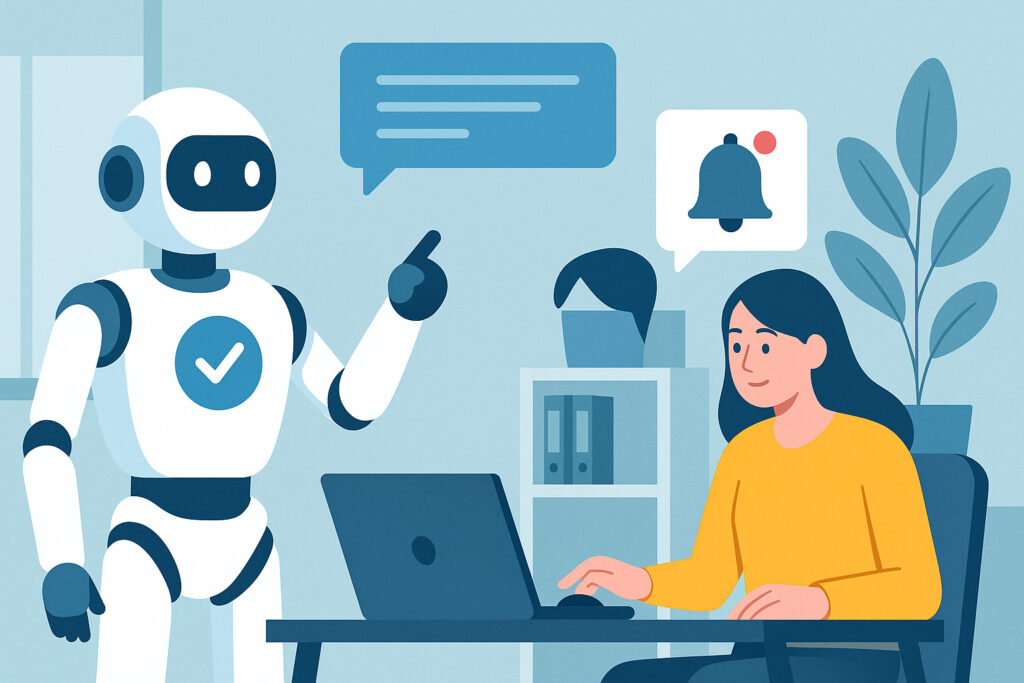
In today’s fast-paced digital environment, effective software training is not just a nice-to-have — it’s a business imperative. Organizations frequently invest in new technologies to stay competitive, yet employees often struggle to keep pace. Traditional training methods—think lengthy manuals, classroom-style sessions, or passive video tutorials—are no longer sufficient. Enter intelligent automation.
Automation is not just about replacing human effort with machines; it’s about enhancing the way we learn and interact with software. Intelligent automation is revolutionizing software training by offering personalized, real-time, and adaptive learning experiences that reduce the time to productivity, improve retention, and cut training costs.
The Problem with Traditional Software Training
Traditional training models often suffer from:
Low engagement: Static tutorials and slide decks don’t address individual learning paces or preferences.
High costs: In-person training or instructor-led courses require significant time and financial resources.
Delayed productivity: Employees must often leave their work to complete training, slowing onboarding and transition timelines.
Rapid obsolescence: With software updates rolling out frequently, training materials can quickly become outdated.
The need for a scalable, up-to-date, and engaging solution is more critical than ever.
What Is Intelligent Automation in Training?
Intelligent automation refers to the integration of AI, machine learning, robotic process automation (RPA), and user analytics to streamline and personalize software training. Rather than overwhelming users with static content, automated systems guide them through tasks in real-time, respond to their behavior, and adapt content based on their needs.
Examples include:
Digital adoption platforms (DAPs) like WalkMe, Whatfix, or Pendo, which provide step-by-step in-app guidance.
AI chatbots that can answer questions or troubleshoot within software environments.
RPA bots that perform repetitive actions to demonstrate workflows.
Smart simulations or sandboxes that let users practice safely.
Benefits of Automation-Driven Training
Personalized Learning
Intelligent systems track user behavior and learning curves, adjusting training content in real-time to match skill levels. A new employee might get a full walkthrough, while a seasoned user only sees updates relevant to their role.Faster Onboarding
Employees start using tools productively from day one. Automated walkthroughs guide them through processes without needing a live trainer, speeding up time to proficiency.Just-in-Time Support
Forget manuals. Contextual help appears exactly when users need it—like tooltips, pop-ups, or embedded videos triggered by specific actions or errors.Scalability
Whether you’re onboarding 5 employees or 5,000, automated training delivers consistent quality and content at scale.Measurable Outcomes
Training platforms provide analytics dashboards to track engagement, completion, task success rates, and pain points—turning training into a data-driven function.
Real-World Use Cases
Enterprise Software Adoption: A large financial firm rolling out Salesforce used WalkMe to guide users through custom dashboards, reducing support tickets by 35% in three months.
Compliance Training: An HR platform implemented automated reminders and interactive compliance modules, ensuring 98% completion within deadlines.
Remote Onboarding: A global SaaS company onboarded new hires entirely remotely using an AI chatbot paired with live in-app training, cutting onboarding time by 40%.
Challenges and Considerations
While the benefits are clear, organizations must consider:
Initial setup time for automation workflows and content creation.
User resistance to new training formats or tools.
Integration with existing software ecosystems.
Data privacy in tracking user behavior and interactions.
Overcoming these challenges requires a collaborative approach between HR, IT, and departmental stakeholders.
The Future of Automated Training
Looking ahead, the evolution of intelligent training will likely include:
Adaptive learning paths that evolve based on ongoing performance.
Natural language interfaces to communicate with training bots conversationally.
AR/VR environments for immersive software simulations.
Predictive training based on anticipated user behavior or software updates.
Intelligent automation is not just a trend — it’s a transformation. By integrating smart tools into software training programs, organizations can foster a culture of continuous learning, reduce friction in adoption, and drive tangible performance improvements.
As technology continues to evolve, so too must the way we teach people to use it. Intelligent automation provides the bridge between complex software and empowered users — and it’s time more organizations crossed it.
Happy Learning!